
The Arts Firm’s Principal, Tim Crouch, recently attended the Ontario Orchestras Rendezvous hosted by Orchestras Canada, a one-day gathering full of thoughtful conversation, practical tools, and new perspectives for orchestras of all sizes. With permission, we’re sharing a few key learnings and ideas from this inspiring event.
1. Relaxed Performances Are More Than Just a Format, They’re a Philosophy
Rachel Marks, a relaxed performance consultant who works with the Toronto Symphony Orchestra opened her session not with a presentation, but with suggested ground rules for a “Relaxed Meeting.” No judgment, just curiosity, setting the tone for everything that followed.
Participants had just experienced a TSO Relaxed Performance and noted the unexpected (and moving) elements: audience members walking around, staff and security smiling and engaged, and a deeper sense of human connection.
Rachel walked through the systems and supports that make TSO’s relaxed offerings possible:
- Front-of-house and box office training
- Conversations with staff and musicians about what to expect
- A Relaxed Performance subscription package
- Venue and concert fact sheets for audience prep
- Quiet Room, early auditorium access, fidget toys, and service dog space
In-and-out privileges and sensory-friendly lighting
Most notably, the process has strengthened the TSO’s relationship with Roy Thomson Hall. Their success has come through careful planning, honest conversations, and a willingness to work with community consultants, with a reminder that any orchestra can do this. The key is patience, a space audit, and authentic community consultation (ideally paid!).
2. Advocacy Is a Long Game and Orchestras Canada Is Building the Toolkit
OC Government relations advisor Eric Dubeau shared an exciting update: Orchestras Canada is developing an Advocacy Toolkit to help orchestras build better relationships with municipal leaders and tell their stories more effectively.
The toolkit is planned to include:
- A Municipal Advocacy Calendar
- Templates for storytelling and case-making
- Tips on relationship-building, social media, meeting prep, and more
- Real-world case studies and a curated resource list
His core message? Think long-term. Build partnerships. Aim for mutual benefit. Advocacy isn’t just about lobbying, it’s about building community, together.
3. Fundraising Starts with Knowing Your Value
Maria Rio of Further Together led a practical session on clarifying your organization’s Unique Value Proposition (UVP) — the results you deliver now and the long-term impact you aim to create.
In small groups, participants worked through some key questions:
- What are your organization’s short-term results?
- What are your long-term impacts?
- How do you define your organization’s relationship with the communities you serve?
This UVP work isn’t just helpful for fundraising, it’s also a powerful tool for board alignment, strategic planning, and telling your story to audiences and partners alike.
Final Thoughts
Whether it’s opening doors for new audiences, advocating with confidence, or articulating your organization’s unique value, the Rendezvous was a reminder that orchestras thrive when they share ideas, work collaboratively, and lead with intention. Orchestras Canada has always led the way in facilitating these knowledge-sharing opportunities, and we’re thankful they continue to do so (to see more of what OC is up to, check out their website).
At The Arts Firm, we’re always excited by how practical tools can support deep community impact. Stay tuned as we continue exploring what it takes to build more welcoming, sustainable arts organizations across Canada.
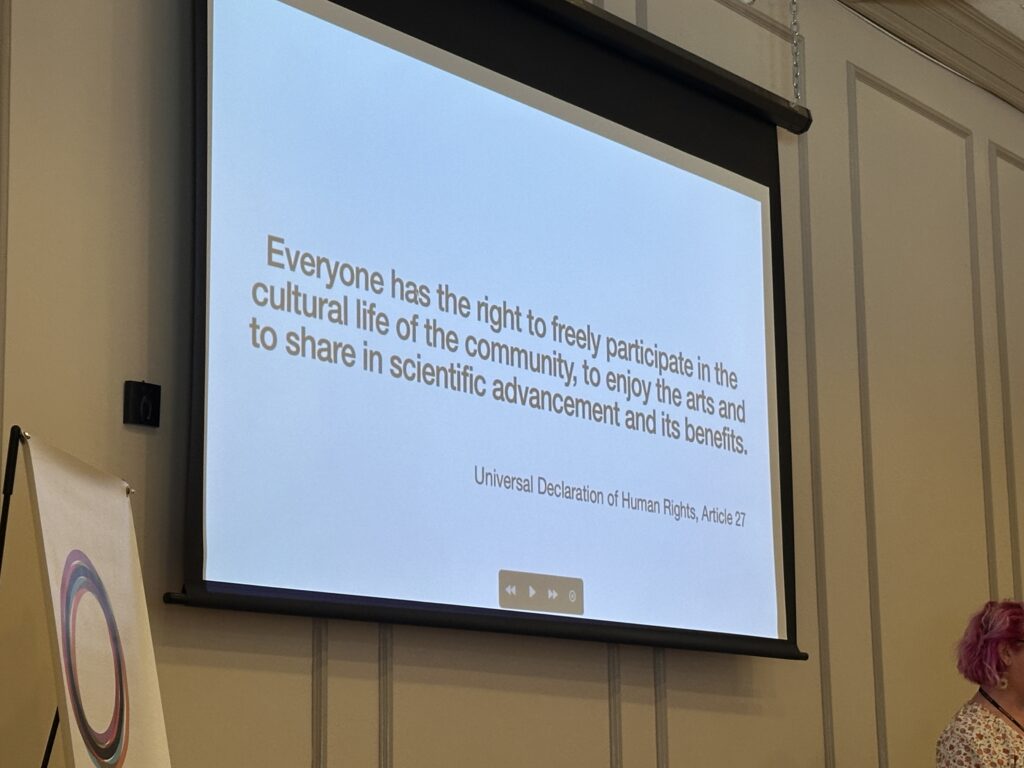
Slide from Rachel Marks’ presentation. Photo by author.


